Can wireless networks be included in testing?

wireless networks be included in testing
Wireless networks have become an essential part of modern business environments, allowing employees, customers, and connected devices to access digital resources from various locations. However, wireless connectivity also introduces unique security challenges because attackers may attempt to exploit weak encryption, poor configurations, unauthorized access points, or weak authentication methods. Because of these risks, organizations often include wireless environments as part of broader security assessments to identify weaknesses before they can be misused.
Yes, wireless networks can be included in a network penetration test when an organization wants to evaluate the security of its Wi-Fi infrastructure. Testing wireless networks helps identify vulnerabilities related to access controls, encryption protocols, authentication mechanisms, and network configurations. Security professionals can analyze whether unauthorized users could gain access to wireless resources and determine whether existing protections are strong enough to prevent potential attacks.
Wireless security testing usually begins with understanding the organization’s wireless environment. Testers review information about available wireless networks, access points, authentication methods, and security settings. This discovery process helps identify how the wireless infrastructure is structured and what potential entry points may exist. Understanding the environment allows security teams to perform realistic evaluations while ensuring that testing activities remain controlled and authorized.
One of the main areas evaluated during wireless network testing is encryption security. Older or improperly configured encryption methods can expose organizations to risks because attackers may attempt to intercept wireless communications or gain unauthorized access. Security professionals examine whether strong encryption standards are being used and whether network configurations follow recommended security practices. Identifying weak encryption allows organizations to improve protection and reduce the likelihood of unauthorized access.
Authentication controls are another important aspect of wireless security assessments. Organizations rely on authentication systems to ensure that only approved users and devices can connect to their networks. Testing can help determine whether authentication methods are properly implemented and whether weak credentials, misconfigurations, or inadequate access controls create security risks. Strong authentication practices are essential for protecting sensitive information transmitted through wireless connections.
Unauthorized access points, sometimes known as rogue access points, can also create security concerns. Employees or third parties may unintentionally introduce unsecured wireless devices into a network environment, creating possible pathways for attackers. Security assessments can identify whether unknown access points exist and evaluate whether network monitoring systems can detect unauthorized wireless activity. Addressing these issues helps organizations maintain better visibility and control over their wireless infrastructure.
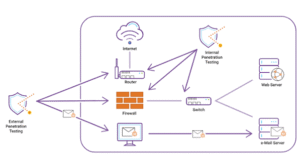
Can wireless networks be included in testing?
Wireless networks connected to internal business systems require careful evaluation because a compromised wireless connection could provide attackers with access to sensitive resources. A network penetration test may include attempts to identify whether weaknesses in wireless configurations could allow unauthorized movement within the environment. This helps organizations understand the potential impact of wireless vulnerabilities and implement appropriate security improvements.
The testing process must always be conducted with proper authorization and clearly defined boundaries. Wireless assessments often involve specialized techniques that interact with network signals, devices, and security controls. Without proper approval, these activities could interfere with legitimate networks or violate legal requirements. Organizations should establish clear rules regarding which wireless networks can be tested, when testing can occur, and what methods are permitted.
Wireless security testing can also evaluate the effectiveness of security policies and employee practices. Human behavior plays an important role in wireless protection because weak passwords, improper device usage, or unsafe connection habits can increase risks. Security assessments may reveal areas where additional training or stronger policies are needed to improve overall protection.
The results of wireless network testing provide valuable insights into the current security posture of an organization. Findings are typically documented with details about identified weaknesses, potential risks, and recommended improvements. These recommendations may include updating encryption methods, strengthening authentication processes, improving monitoring capabilities, or modifying network configurations. Addressing these issues helps organizations build a more secure wireless environment.
Including wireless networks in security assessments is especially important because wireless technology continues to expand across workplaces, public environments, and connected device ecosystems. New devices and access points are constantly added, which can create additional security challenges if they are not properly managed. Regular testing helps organizations identify emerging risks and maintain stronger defenses against evolving threats.
Overall, wireless networks can and should be included when organizations want a comprehensive evaluation of their security infrastructure. By assessing wireless configurations, authentication methods, encryption standards, and access controls, businesses can better understand their exposure and take proactive steps to improve protection. A properly conducted assessment ensures that wireless connectivity remains convenient while maintaining the level of security required to protect valuable systems and information.